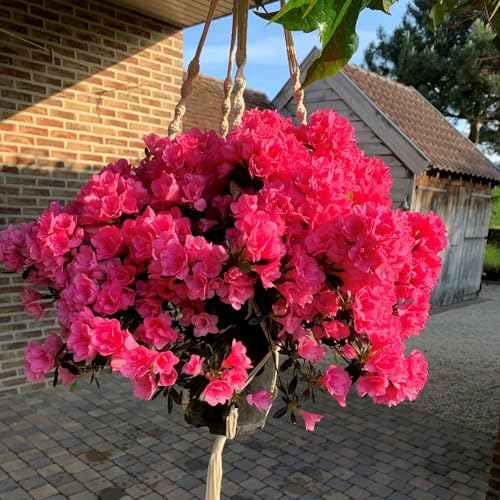
Ultimate Guide to Eco Friendly Pots in 2026
As we move into 2026, the importance of sustainability in gardening has never been more crucial. Eco friendly pots are at the forefront of this movement, providing gardeners with options that not only support plant growth but also contribute positively to the environment. This guide will explore the various types of eco friendly pots available, their benefits, and how to choose the best ones for your gardening needs.
Understanding Eco Friendly Pots
Eco friendly pots are made from sustainable materials that minimize environmental impact. Unlike traditional plastic pots, these pots are often biodegradable or made from recycled materials. In 2026, the trend is leaning heavily towards materials that are renewable and non-toxic. For example, many gardeners are now opting for pots made from bamboo, coconut coir, and recycled paper products.
One popular choice is biodegradable pots, which decompose over time, enriching the soil as they break down. These pots are perfect for gardeners looking to reduce waste while providing a nurturing environment for their plants. Additionally, ceramic and terracotta pots that are produced using sustainable practices are gaining traction, offering a durable and attractive option.
Benefits of Using Eco Friendly Pots
The advantages of using eco friendly pots extend beyond environmental impact. For 2026, many gardeners are discovering that these pots can enhance plant growth due to their breathable nature. For instance, pots made from natural fibers allow for better air circulation and moisture retention, which are crucial for healthy root development.
Furthermore, many eco friendly pots are lightweight and easy to handle, making them ideal for container gardening. This is especially beneficial for urban gardeners who may have limited space and need to move pots around frequently. The aesthetic appeal of these pots also plays a significant role in their popularity, as they often come in various designs that can complement any garden style.
People Also Look For:
- JECOMPRIS Large Bonsai Pots Oval Shape Sturdy Plastic Plant Container Drainage Hole for Home Decor
- (Set of 2) 14\" Easy Bloom Hanging Baskets Large Outdoor Garden Flower Planter
- Unibos Home and Garden 2 x Hanging Baskets 16\" Inch (40cm) Green Wire Plant Holder
- Unibos Home and Garden 2 x Hanging Baskets 16\" Inch (40cm) Green Wire Plant Holder
- QCQHDU 40.6x19.3x17.8cm Window Planter Box, 2 Pack Self Watering Pots for Indoor Plants with Drainage Holes & Saucer, Outdoor Flow...
Popular Materials for Eco Friendly Pots
There are several materials that stand out in the eco friendly pot market in 2026. Here are some of the most popular options:
- Bamboo: Known for its rapid growth and renewable nature, bamboo pots are sturdy and stylish.
- Coconut Coir: Made from the fibrous husk of coconuts, these pots are excellent for drainage and aeration.
- Recycled Plastic: Utilizing recycled materials helps reduce waste and keep plastic out of landfills.
- Biodegradable Paper: These pots break down naturally and are often made from recycled paper, providing a guilt-free option.
Each of these materials offers unique benefits, and the choice often depends on the specific needs of the plants being grown. For instance, coconut coir pots are particularly effective for moisture-loving plants, while bamboo pots are excellent for more drought-resistant varieties.
Choosing the Right Eco Friendly Pot
When selecting eco friendly pots, it is essential to consider several factors, including the type of plant, growth stage, and environmental conditions. In 2026, many gardeners are gravitating towards pots that not only fit their aesthetic preferences but also provide the best conditions for their plants.
- Assess Plant Needs: Different plants have varying requirements for space, drainage, and soil type. Ensure the pot chosen can accommodate these needs.
- Consider Environmental Impact: Look for pots made from renewable resources or those that are completely biodegradable.
- Aesthetic Value: Choose pots that enhance your garden's visual appeal while maintaining functionality.
Additionally, understanding the lifecycle of the pot is crucial. Many gardeners now prioritize products that have a minimal carbon footprint, from production through disposal. This holistic approach ensures that every aspect of gardening contributes positively to the environment.
Innovative Trends in Eco Friendly Pots
As we look towards 2026, innovation in eco friendly pots is on the rise. New technologies are being developed to enhance the functionality and sustainability of gardening containers. For instance, smart pots are entering the market, equipped with sensors that monitor soil moisture and nutrient levels. This technology helps gardeners maintain optimal conditions for plant growth while minimizing water usage.
Another emerging trend is the integration of self-watering systems into eco friendly pots. These systems use a reservoir to provide consistent moisture to plants, which is particularly beneficial during dry spells. By utilizing such innovative designs, gardeners can reduce water waste and ensure their plants thrive even in challenging conditions.
Community gardening initiatives are also embracing eco friendly pots. Many urban gardening projects are distributing pots made from recycled materials to promote sustainable practices within local communities. This fosters a sense of collective responsibility towards the environment and encourages more people to engage in gardening.
Real World Applications
In 2026, the application of eco friendly pots in various settings is becoming increasingly common. Urban gardeners are leading the charge, utilizing balcony space and community gardens to grow fresh produce. With the rise of small space gardening, eco friendly pots are essential in maximizing available areas while maintaining sustainable practices.
For example, a community garden in a metropolitan area may use biodegradable pots to cultivate herbs and vegetables. These pots allow users to easily transplant seedlings into the ground, enriching the soil and reducing plastic waste. The impact of such initiatives is profound, as they encourage individuals to adopt sustainable gardening practices at home.
Schools and educational institutions are also incorporating eco friendly pots into their gardening programs. By engaging students in hands-on activities, educators are fostering a deeper understanding of sustainability and environmental stewardship. In 2026, these efforts are crucial in shaping future generations who are conscious of their environmental footprint.